
Campground Website Design: What Independent Owners Need (And What They Don't)
Most campground websites were built the same way: a family member or a cheap freelancer put something together a few years ago, it was good enough at the time, and now it's quietly costing bookings.
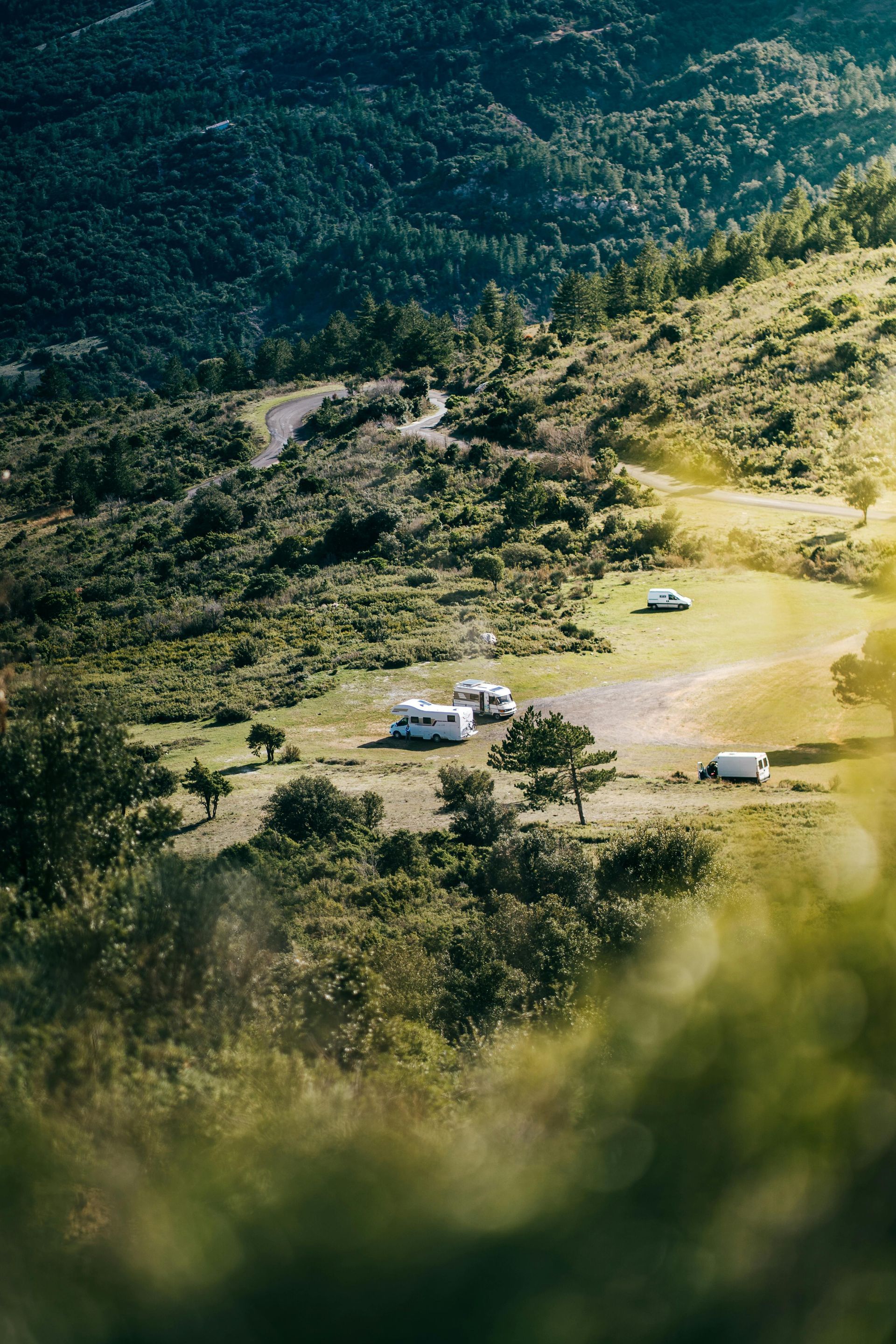
The guests are there. They're searching for campgrounds in your area, reading reviews, looking at photos. The question is whether your website gives them enough confidence to book—or sends them to the campground down the road whose site is cleaner, faster, and easier to navigate on a phone.
This guide covers what actually matters in campground website design, what's commonly overbuilt, and how to think about the investment.
The One Thing Most Campground Websites Get Wrong
Ask a campground owner what they want from their website and they'll usually say: "I want it to look better."
That's not wrong. But the more precise problem is almost always this: guests can't figure out what they're booking before they book it.
Your campground has a variety of sites—some with full hookups, some without; some in the shade, some in the sun; some near the bathhouse, some on the waterfront. Guests have real preferences. They want to pick their spot, or at minimum understand the differences between options before they commit.
When everything looks identical on your website—same card, same description, same "Book Now" button—guests feel uncertain. Uncertain guests call to ask questions, which takes your time. Or they book somewhere else.
The most impactful thing a campground website can do is give guests the information they need to confidently choose a site and book it without picking up the phone.
What a Good Campground Website Actually Needs
A clean, fast mobile experience. More than 70% of campground research happens on smartphones. If your site is hard to navigate on a phone—slow to load, text that's too small to read, buttons that are hard to tap—you're losing guests before they've seen your first photo. This is non-negotiable.
Individual site or cabin pages. Your tent sites, RV hookups, and cabins (if you have them) each deserve their own dedicated content. Not a long table of specs—actual photography, a brief description of what makes each category distinctive, and a clear CTA that takes guests directly to booking that specific accommodation type.
A visual site map (if you have 20+ sites). An interactive map where guests can click their preferred area of the campground, see what's available, and understand the layout of the property is one of the highest-converting features a campground website can have. Guests who can visualize exactly where they'll be camping are far more likely to book directly—and far less likely to call you asking which sites are near the water.
Amenity information that answers real questions. Does your campground have WiFi? Laundry? A pool? A camp store? Guests are making a decision about whether your property meets their needs, and they're making that decision before they arrive. Answer their questions on the website so they don't have to call.
Seasonal availability and programming. When is your season open? Do you have a fall color weekend or a Fourth of July event? Is there anything happening in the next two months that would give a guest a reason to book now? Even basic seasonal content dramatically improves the sense that your property is active, managed, and worth visiting.
What Most Campground Websites Overbuilds
Here's where most campground owners get oversold: features they don't need yet.
You don't need a blog. You don't need an online camp store. You don't need a members-only portal or a loyalty program or a complex event management system.
What you need is a clean, fast site that communicates what your campground offers, shows it beautifully, answers common questions, and makes it easy to book.
The most effective campground websites I build are typically 6–8 pages:
- Homepage
- Sites & Rates (individual categories)
- Amenities
- Local Area
- About / History
- Contact & Directions
That's it. Everything else is a distraction at this stage of growth.
The Online Booking Question
A common question from campground owners: do I need to integrate an online booking system into my website?
The short answer: yes, eventually - but the right answer depends on where you are right now.
If you're still taking most reservations by phone and email, the most important first step is having a website that builds enough trust and provides enough information that guests feel confident picking up the phone. A polished, informative site will increase the quality of your inbound inquiries even before you add online booking.
If you're ready for online booking, the cleanest solution is typically embedding your existing system (Campspot, ResNexus, Hipcamp) directly into your site so guests don't leave your domain to complete a reservation. That keeps the brand experience consistent and reduces drop-off.
What you want to avoid: a "Book Now" button that sends guests to a generic third-party page that looks nothing like your property. That's a trust break at the worst possible moment.
How Much Should a Campground Website Cost?
This is where campground owners often get either ripped off or underserved.
At the low end ($300–$800), you're getting a DIY template with minimal customization. It'll look generic, it won't be tailored to your specific property, and you'll be frustrated trying to update it within a year.
At the mid-range ($1,000–$2,500), you can get a professionally designed, custom site on a modern platform that your staff can update independently. This is the sweet spot for most independent campgrounds—it's a meaningful investment, but it pays for itself quickly if it converts even a handful of additional direct bookings that would have otherwise gone to an OTA or a competitor.
At the higher end ($2,500–$4,000), you're adding custom functionality—an interactive site map, a cabin configurator, a seasonal experience showcase. These are worth it if your campground has the complexity to justify them (multiple accommodation types, glamping, guided experiences) and you're doing enough bookings volume that conversion improvements have real revenue impact.
The Platform Question (Again)
The same issue that plagues luxury hotel websites affects campground sites: WordPress is hard for non-technical owners to manage.
If your previous website was built on WordPress and your maintenance experience was "I'm afraid to touch it because I'll break something"- that's a platform problem, not a user problem.
The best campground websites are built on platforms that the owner (or their front desk staff) can update confidently without developer help. Changing your rates, uploading new photos from last weekend's glamping guests, adding an event to the calendar - these should be things you can do yourself in five minutes.
That kind of independence is worth building toward from the start.
A Simple Benchmark
Here's a useful test for your current campground website: pull it up on your phone and pretend you're a first-time visitor who found you through a Google search.
- Does it load in under three seconds?
- Can you tell within 10 seconds what makes this campground worth booking?
- Is there a clear way to see what sites are available and what they cost?
- Can you find a "Book Now" button without scrolling?
If you answered no to any of those, there's room to improve - and improving them will have a direct impact on how many of your visitors become guests.
Hello, I’m Gabby Johnson
I designs custom websites for luxury hospitality properties -resorts, spas, boutique hotels, and golf clubs. If your property is exceptional but your website doesn't reflect it, let's talk.