
Why Luxury Hotel Websites Fail to Convert
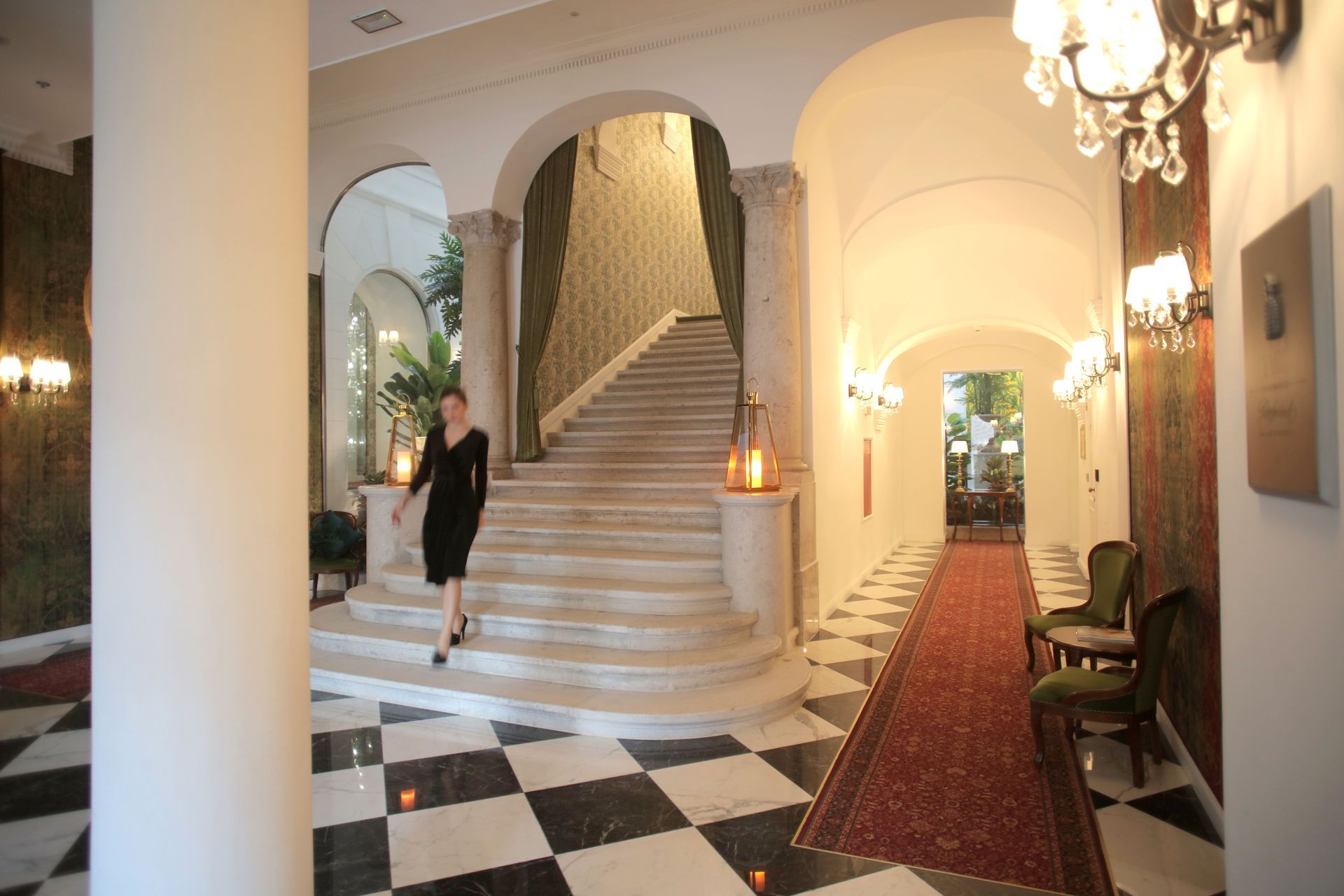
You've invested years—and probably millions—into creating a property that delivers a five-star experience. The architecture is stunning. The service is impeccable. The rooms are beautiful.
And then a guest lands on your website.
Suddenly they're looking at a page that loads slowly, looks like it was designed in 2015, and sends them to Booking.com the moment they try to reserve a room.
This is the gap that costs luxury properties thousands in lost direct bookings every month. And it's more common than you'd think.
The Real Reason Luxury Hotel Websites Underperform
Most hotel owners assume their website problem is a design problem. It isn't. It's a strategy problem that shows up as a design problem.
Here's what's actually happening on underperforming luxury hotel sites:
Rooms are presented as identical cards. A $200 standard room and a $700 penthouse suite get the same photo, the same card layout, and the same "Book Now" button. Guests can't see the difference. They can't feel the value. So they don't pay for it.
The booking flow breaks the brand. A guest spends five minutes exploring your beautifully designed site, gets emotionally bought in, clicks "Reserve"—and lands on a third-party booking platform that looks nothing like your property. That jarring transition destroys the trust you just built.
Seasonal offerings are buried or missing. Your winter menu, your summer spa packages, your holiday programming—these are the things that create urgency and drive incremental revenue. But most hotel sites present a static, year-round view of the property that doesn't reflect what guests will actually experience.
The copy describes instead of sells. "Luxurious amenities and world-class service" tells a guest nothing they couldn't read on a hundred other hotel websites. The specific story of your property—your chef's background, your design philosophy, the view from Room 412—that's what converts browsers into bookers.
What High-Converting Luxury Hotel Websites Do Differently
The properties that consistently drive direct bookings treat their website as a sales tool, not a brochure. Here's what separates them:
They showcase rooms individually. Each room type gets its own photography, its own story, its own list of distinguishing features. Guests can see exactly what they're choosing—and understand why one room is worth three times the price of another.
They keep guests on-brand through checkout. Whether through an embedded booking widget or a carefully branded booking experience, the best hotel sites minimize the jarring transition from property website to reservation system.
Their content reflects the current season. A mountain resort in January looks and feels different from the same property in July. High-performing sites reflect this—with seasonally appropriate imagery, copy, and CTAs that match what guests are actually considering.
They lead with story, not specs. The most compelling luxury hotel websites don't open with room counts and square footage. They open with the feeling of arriving. The experience of staying. The reason this particular property exists.
The Platform Problem Most Hotels Won't Talk About
Here's a truth most web agencies won't tell you: WordPress is a terrible platform for luxury hotel websites.
Not because it can't produce beautiful designs. It can. But because the moment your front desk manager or marketing coordinator tries to update a seasonal package, swap out a hero image, or add a new dining offering, there's a meaningful chance something breaks. Which means those updates don't happen. Which means the site slowly drifts out of sync with the actual property.
The properties that have the most up-to-date, conversion-optimized websites are the ones where a non-technical team member can make updates confidently—without calling a developer, without worrying about breaking something, without waiting for a ticket to be resolved.
Platform choice is a strategy decision. It determines whether your website stays current or slowly becomes a liability.
Where to Start
If your luxury property's website isn't generating the direct bookings you know it should be, start by auditing these three things:
- Your room pages. Do guests have enough visual and narrative information to feel confident choosing a specific room type? Or do all your rooms look the same?
- Your booking flow. Where does your "Reserve" button send guests? How many clicks does it take to complete a reservation? Does the experience stay on-brand?
- Your seasonal content. Does your website reflect what guests will experience if they arrive next month? Or does it show a generic, year-round view of the property?
These three areas are where most luxury hotel websites are quietly losing bookings to OTAs every day.
Gabby Johnson designs custom websites for luxury hospitality properties—resorts, spas, boutique hotels, and golf clubs. If your property is exceptional but your website doesn't reflect it, let's talk.
Hello, I’m Gabby Johnson
I designs custom websites for luxury hospitality properties -resorts, spas, boutique hotels, and golf clubs. If your property is exceptional but your website doesn't reflect it, let's talk.