
WordPress vs. Duda for Hospitality Websites: An Honest Comparison
If you're a hotel, resort, spa, or campground owner researching website platforms, you've probably landed on this question:
" Should we use WordPress or something else? "
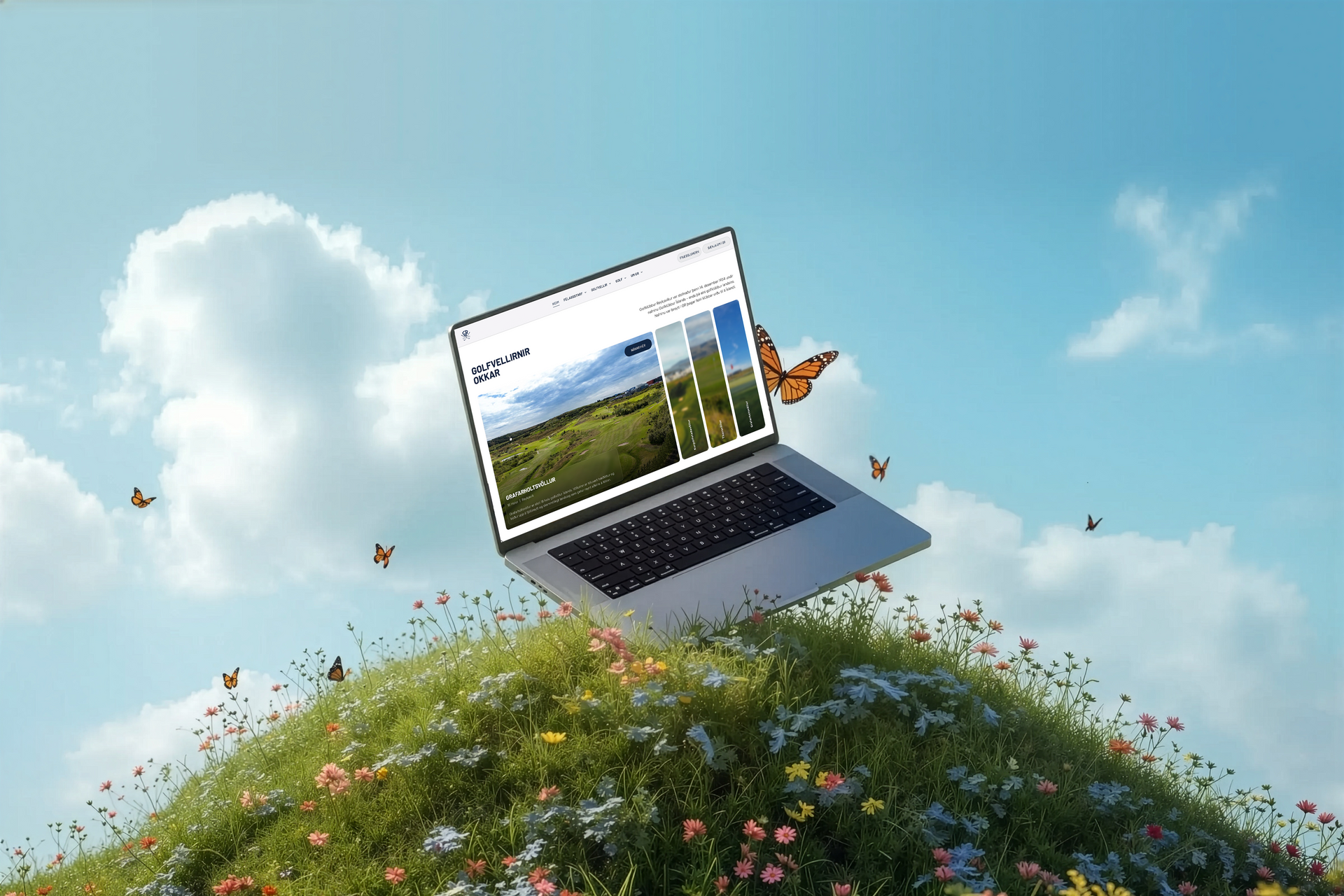
WordPress is the most popular website platform in the world, which makes it feel like the obvious answer. But popularity and suitability aren't the same thing - and for hospitality properties specifically, WordPress creates problems that most web designers won't tell you about until you're already locked in.
Here's an honest breakdown of how WordPress and Duda compare for hospitality websites, and why the platform you choose will determine whether your team can actually run the site you build.
The Core Difference: Who's Really in Control
WordPress was built to be managed by technically capable people. Its power comes from its flexibility—themes, plugins, and customizations that let developers build almost anything. But that flexibility comes with a cost: complexity that non-technical teams struggle to manage safely.
Duda was built to be managed by business owners and their teams. It's an enterprise-grade platform used by tens of thousands of agencies and businesses worldwide, specifically designed so that non-developers can update content confidently without breaking anything.
For a hotel marketing director, a campground owner, or a resort GM who needs to swap out a seasonal hero image at 9pm on a Friday night—this difference matters enormously.
WordPress: What's True and What Isn't
What's true:
- WordPress can produce exceptionally beautiful, custom websites
- It has the largest ecosystem of plugins and themes in the world
- It's highly flexible for developers who know what they're doing
- Many talented designers build on it
What hospitality operators actually experience:
- Updates to core, themes, and plugins break things—often at the worst possible time
- Non-technical staff are afraid to make changes because they've broken the site before
- Security vulnerabilities require constant patching and vigilance
- Every meaningful content change often requires a developer (which means waiting, tickets, and invoices)
- Plugin conflicts are common and difficult to diagnose without technical knowledge
The result: most hotel WordPress sites slowly become outdated because the team stops touching them. The developer relationship becomes a bottleneck. The site drifts further from reality.
Duda: What It Actually Offers
Duda isn't a consumer website builder like Wix or Squarespace. It's a professional platform built for agencies and serious businesses. Here's what it offers that WordPress doesn't:
Real team management. Multiple team members can edit the site with different permission levels. Front desk updates hours. Marketing director swaps seasonal imagery. No one has access to things they shouldn't touch.
Collections (dynamic content management). This is the feature that changes everything for hospitality
properties. Collections let you manage structured content—room types, packages, staff bios, upcoming events, treatment menus—in one place. Update the data, and every page that references it updates automatically. No more editing the same information in six different places.
Stability by design. Duda doesn't have the plugin ecosystem that creates WordPress's instability. What it offers is reliable, consistent performance without the maintenance overhead.
Built for agencies, not bloggers. WordPress grew out of blogging. Duda was built for professional web agencies managing client sites. The editorial experience reflects that—it's cleaner, more controlled, and more appropriate for business use.
What This Means for a Luxury Property
A luxury resort with a team of 40 people and a marketing director who's juggling a dozen responsibilities doesn't need more software to manage. They need a website that works when they need it to, that stays updated without developer intervention, and that doesn't become a liability when something needs to change.
The specific things that break down on WordPress for luxury properties:
- Seasonal content transitions. Switching from summer to winter programming often requires developer involvement. On Duda, it's a collection toggle.
- Room type updates. Adding a new room category, updating pricing, or refreshing photography shouldn't require a ticket. On Duda, any authorized team member can do it.
- Booking widget integration. Embedding a PMS booking widget in WordPress often causes conflicts with themes and other plugins. On Duda, custom HTML sections are stable and predictable.
What This Means for a Campground
For campground owners - who are often running the entire operation themselves - the choice is even more stark.
A campground owner updating their site on a Sunday evening to reflect a last-minute availability opening doesn't have time to troubleshoot a plugin conflict. They need to make the change, confirm it looks right on mobile, and get back to checking in guests.
Duda makes that possible. WordPress, in practice, often doesn't.
The Honest Recommendation
If you're a hospitality property - luxury or otherwise - and your goal is a website your team can manage independently without ongoing developer dependency, Duda is the better choice.
That doesn't mean every WordPress site is wrong for every situation. It means that the specific combination of non-technical teams + dynamic hospitality content + the need for ongoing updates without technical support makes WordPress a consistent source of frustration for the operators I work with.
The platform question isn't glamorous. But it's one of the most important decisions you'll make when rebuilding your website - because it determines whether your investment stays current over the next three years or slowly becomes a problem you have to solve again.
Hello, I’m Gabby Johnson
I designs custom websites for luxury hospitality properties -resorts, spas, boutique hotels, and golf clubs. If your property is exceptional but your website doesn't reflect it, let's talk.